Category: blog

  • Does Home Insurance Cover Tree Removal?

    Does Home Insurance Cover Tree Removal?

    Home insurance may cover tree removal when a tree falls because of a covered event, such as wind, hail, lightning, or fire, and damages an insured structure. Coverage is less likely when the tree falls harmlessly in the yard, requires preventive removal, or was neglected before it fell.

    When severe Colorado weather brings down a tree, cleanup can quickly become urgent and expensive. Many property owners immediately ask, does home insurance cover tree removal, but the answer depends on why the tree fell, what it damaged, and the specific terms of the homeowner’s policy.

    When Does Home Insurance Cover Tree Removal?

    Homeowners insurance commonly helps when a tree falls because of a covered peril and damages covered property. Depending on the policy, covered structures may include the home, a detached garage, shed, deck, or fence.

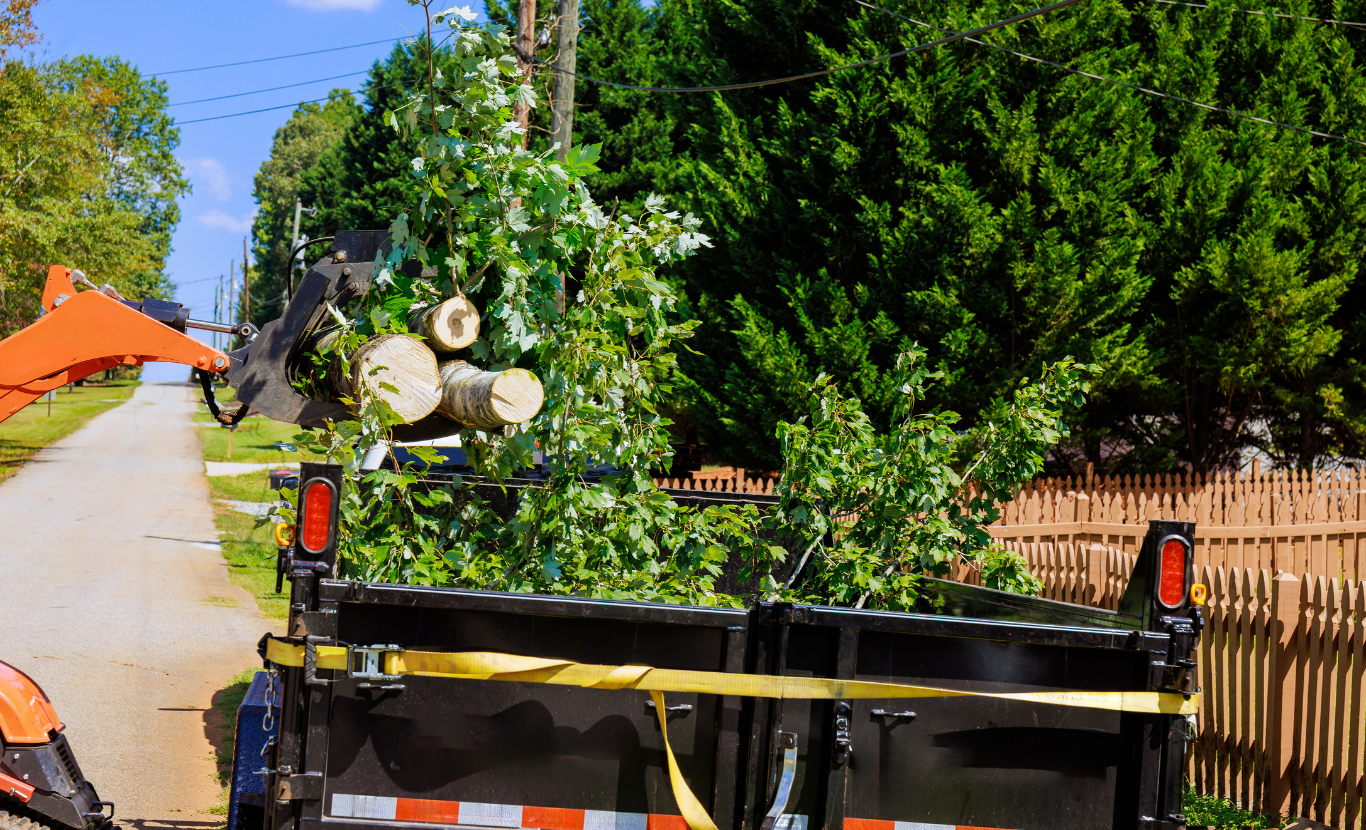
    In an approved claim, insurance may help pay to remove the tree from the damaged structure so repairs can begin. The policy may also provide limited coverage for hauling away branches, logs, and other tree debris.

    Common potentially covered causes include:

    • Strong winds or severe storms
    • Lightning
    • Hail
    • Fire
    • Vandalism
    • Another tree falling into the tree

    Insurance companies including Progressive and GEICO explain that tree removal may be covered when a covered event causes the tree to damage a home or another insured structure. Coverage remains subject to the policy’s exclusions, limits, and deductible.

    Tree Removal Coverage at a Glance

    SituationIs Removal Potentially Covered?
    A storm knocks a tree onto the houseOften
    A tree damages a garage, shed, deck, or fenceOften
    A fallen tree blocks the home’s drivewaySometimes
    A tree blocks an accessibility rampSometimes
    A tree falls in the yard without causing damageUsually not
    A healthy tree needs preventive removalUsually not
    A dead or decaying tree needs removalUsually not
    A fallen tree damages a vehicleNot through home insurance

    This table provides general guidance only. The insurance provider must determine whether a specific loss qualifies under the policy.
    does home insurance cover tree removal

    When Is Tree Removal Usually Not Covered?

    The answer to does home insurance cover tree removal is generally no when the work is considered normal property maintenance rather than the result of a sudden covered loss.

    Insurance typically does not pay to remove:

    • A healthy tree before it causes damage
    • A leaning tree that has not fallen
    • A dead, diseased, or decaying tree
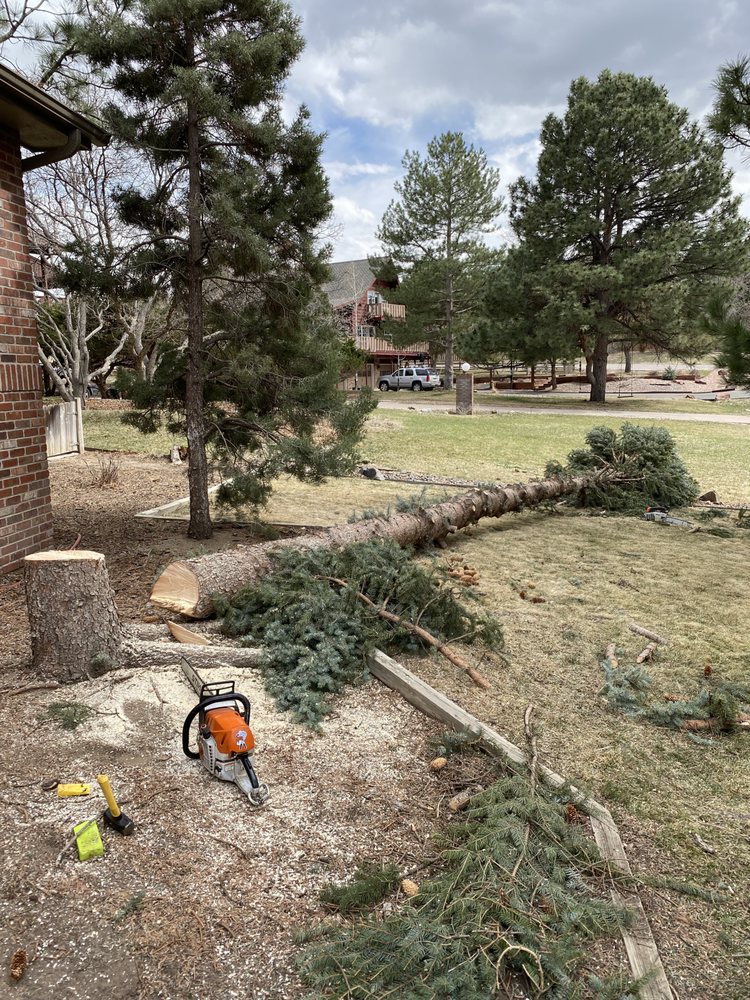
    • A tree that falls into an open yard without damaging property
    • Limbs removed through ordinary trimming or pruning

    Preventive tree removal is usually the homeowner’s responsibility. Insurers may also deny a claim if they determine that known decay, rot, or poor maintenance contributed to the damage.

    Addressing visible tree problems before the next storm can help protect the home and reduce the chance of a more dangerous removal later.

    What If the Tree Does Not Hit a Structure?

    When a tree lands in the yard without damaging anything, the homeowner will usually need to pay for removal. However, there can be exceptions.

    Some policies may provide limited coverage if a fallen tree blocks the driveway to the home or obstructs an accessibility ramp. These exceptions vary between insurance companies and policies, so homeowners should speak with their provider before assuming cleanup will be reimbursed.

    If the tree presents an immediate safety risk, take reasonable steps to protect people and prevent additional damage. Document the tree and surrounding property before cleanup begins whenever it is safe to do so.

    Does Insurance Cover a Neighbor’s Fallen Tree?

    Tree ownership does not automatically determine which insurance company handles the loss. If a neighbor’s tree falls onto your house during a windstorm, your homeowners policy may cover the damage and removal, subject to your deductible and policy terms.

    Responsibility may change if the neighbor knew that the tree was dead, unstable, or hazardous but failed to address it. Evidence such as photographs, written notices, or a professional tree assessment may become important when negligence is suspected.

    If a neighbor’s tree lands in your yard without damaging covered property, you may still be responsible for removing the portion that landed on your property.

    What If a Tree Falls on a Car?

    Homeowners insurance generally does not cover damage to a vehicle caused by a falling tree or branch. Comprehensive auto insurance may cover this type of damage, minus the auto policy deductible.

    A homeowner may need to file two separate claims if the same tree damages both the house and a vehicle. The structural damage would generally be handled through home insurance, while vehicle damage would be handled through auto insurance.

    How Much Will Insurance Pay?

    Even when the answer to does home insurance cover tree removal is yes, the policy may place a limit on tree and debris removal.

    GEICO reports that many policies use limits such as $500 per tree and $1,000 per incident. Progressive also notes that tree removal coverage is commonly limited to approximately $500 to $1,000, depending on the policy and insurer. Actual amounts can be higher or lower.

    The deductible also affects whether filing a claim makes financial sense. Homeowners should compare the total estimated loss with their deductible and confirm how tree removal limits apply.

    What Should You Do After a Tree Falls?

    Stay away from unstable branches, damaged roofs, partially uprooted trees, and downed power lines. Contact emergency services or the utility company when necessary.

    Once the area is safe:

    1. Take photos and videos from several angles.
    2. Record when the tree fell and what caused it.
    3. Contact the insurance company promptly.
    4. Ask whether an adjuster must inspect the site.
    5. Obtain a professional tree removal estimate.
    6. Keep all invoices, receipts, and repair records.

    Insurance claim guidance recommends documenting damage before cleanup, preventing further loss when possible, contacting the insurer, and retaining records for the claims adjuster.

    Frequently Asked Questions

    Does home insurance cover tree removal after a storm?

    It may when a covered storm causes the tree to damage the house or another insured structure. Coverage is more limited when the tree falls without damaging anything.

    Does home insurance cover tree removal before it falls?

    Usually not. Removing a leaning, dead, or potentially dangerous tree is generally considered preventive maintenance.

    Is stump grinding covered by insurance?

    Not automatically. Stump grinding may be excluded or treated as an additional service unless it is necessary to complete an approved covered loss. Ask the insurance adjuster before scheduling the work.

    Should I call my insurer or a tree service first?

    For nonemergency work, contact the insurer first and ask about inspection and documentation requirements. When the tree creates an immediate hazard, contact a qualified tree service while preserving photos, receipts, and other claim evidence.
    does home insurance cover tree removal

    Professional Tree Removal in Parker, Colorado

    Does home insurance cover tree removal? Understanding the contributing factors of what qualifies as a home insurance claim can help you prepare after a storm or incident, but only the insurance company can confirm coverage under a specific policy.

    Matt’s Maintenance Tree Service provides tree removal, trimming, pruning, stump and root grinding, and crane work for properties in Parker and Douglas County, Colorado. With 29 years in business, experienced crews, and reliable equipment, the company can evaluate the tree, nearby structures, access limitations, and equipment requirements before developing a safe removal plan.

    Contact Matt’s Maintenance Tree Service for a project-specific quote, and speak with your insurance representative about claim requirements, deductibles, and coverage before work begins whenever circumstances allow.
  • How Much Does It Cost to Remove a Tree? A 2026 Colorado Guide

    How Much Does It Cost to Remove a Tree? A 2026 Colorado Guide

    If you are wondering how much does it cost to remove a tree, most Denver-area projects fall between $212 and $2,116, with an average near $694. A small, accessible tree may cost only a few hundred dollars, while a large, hazardous, or technically difficult removal can cost several thousand dollars.

    These are general 2026 industry estimates, not a quote from Matt’s Maintenance Tree Service. An on-site inspection is the best way to price a specific project because every tree and property presents different challenges.

    Average Tree Removal Cost by Size

    Tree size is one of the biggest pricing factors because taller and wider trees require more labor, rigging, equipment, and cleanup. Please note these are estimates and not definitive

    Tree SizeTypical Industry Cost
    Up to 30 feet$150 to $450
    30 to 60 feet$450 to $1,200
    60 to 80 feet$800 to $1,500
    More than 80 feet$1,000 to $2,000 or more

    These ranges help with early budgeting, but height is only part of the answer to how much does it cost to remove a tree.

    How Much Does It Cost to Remove a Tree? – Key Factors

    Tree Size and Trunk Diameter

    Taller trees usually take longer to dismantle and create more material to cut, chip, or haul away. Trunk diameter also matters. A shorter tree with a thick trunk can require more work than its height suggests.

    Location and Access

    A tree in an open front yard is generally easier to reach than one behind a house, inside a fenced yard, or surrounded by landscaping. Narrow gates, slopes, limited equipment access, and nearby structures can all change the removal plan.

    Before providing a proposal, Matt’s Maintenance Tree Service evaluates the tree’s location, condition, size, surrounding structures, nearby utilities, landscaping, and available equipment access.

    Tree Health and Stability

    Dead, decayed, split, leaning, or storm-damaged trees may be unstable. Crews may need specialized rigging or crane support rather than climbing the tree. A tree resting on a roof, fence, vehicle, or utility area also requires careful planning.

    how much does it cost to remove a tree

    Even when a damaged tree appears easier to cut, instability can make the removal more complicated. The crew must select a method that protects both the workers and the surrounding property.

    Nearby Structures and Utilities

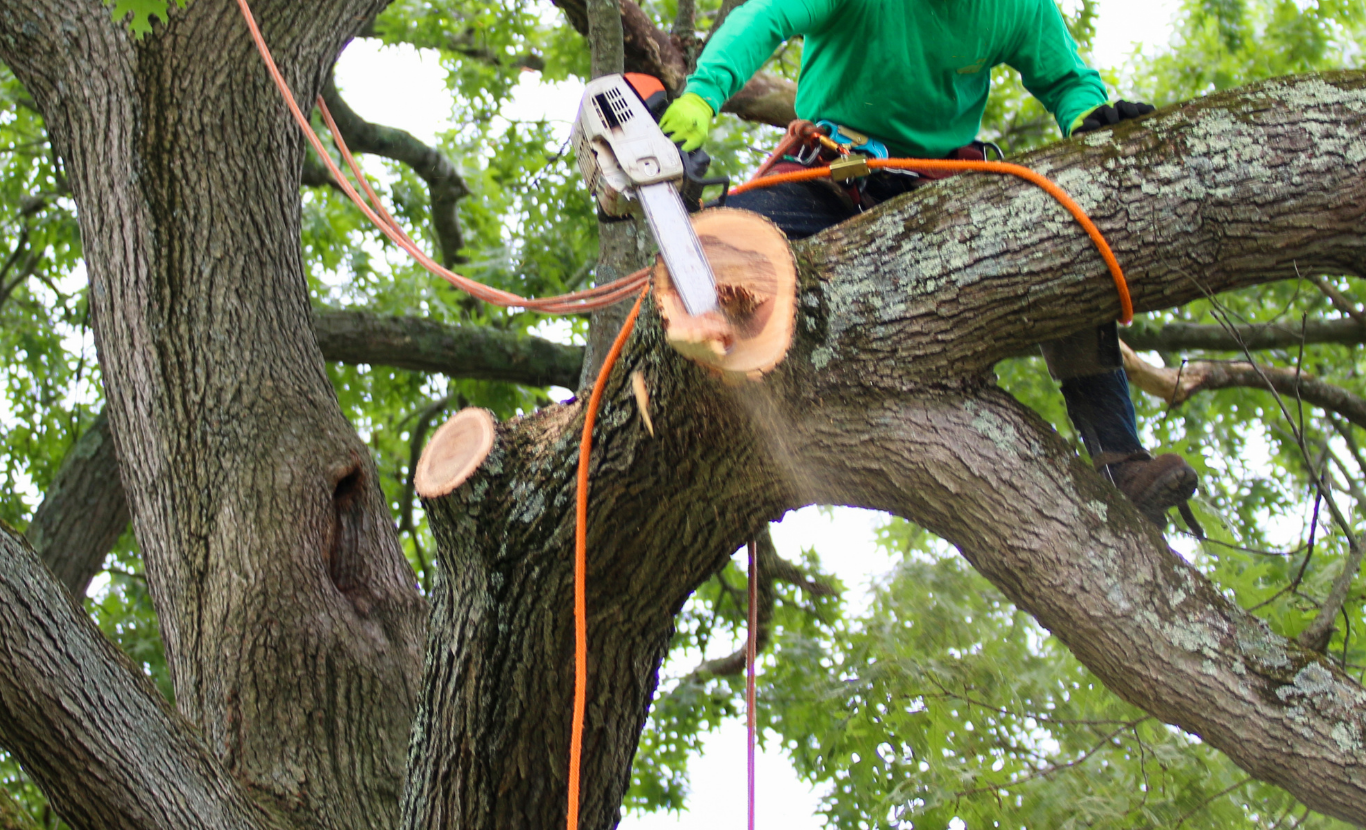
    Trees close to homes, garages, power lines, driveways, and neighboring properties require greater control. Instead of allowing large sections to fall, the crew may need to dismantle the tree in smaller pieces and carefully lower or lift each section.

    This extra planning, labor, and equipment can increase the final cost.

    Equipment and Crane Requirements

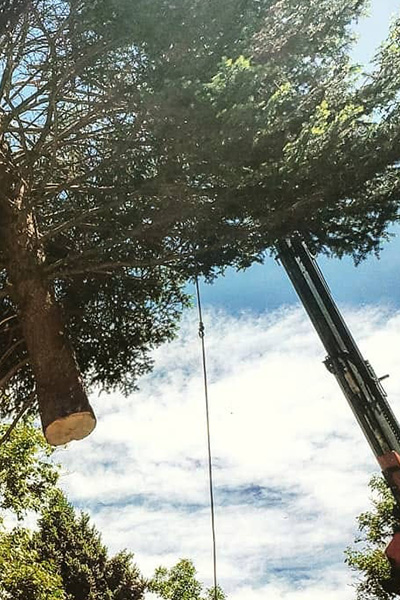
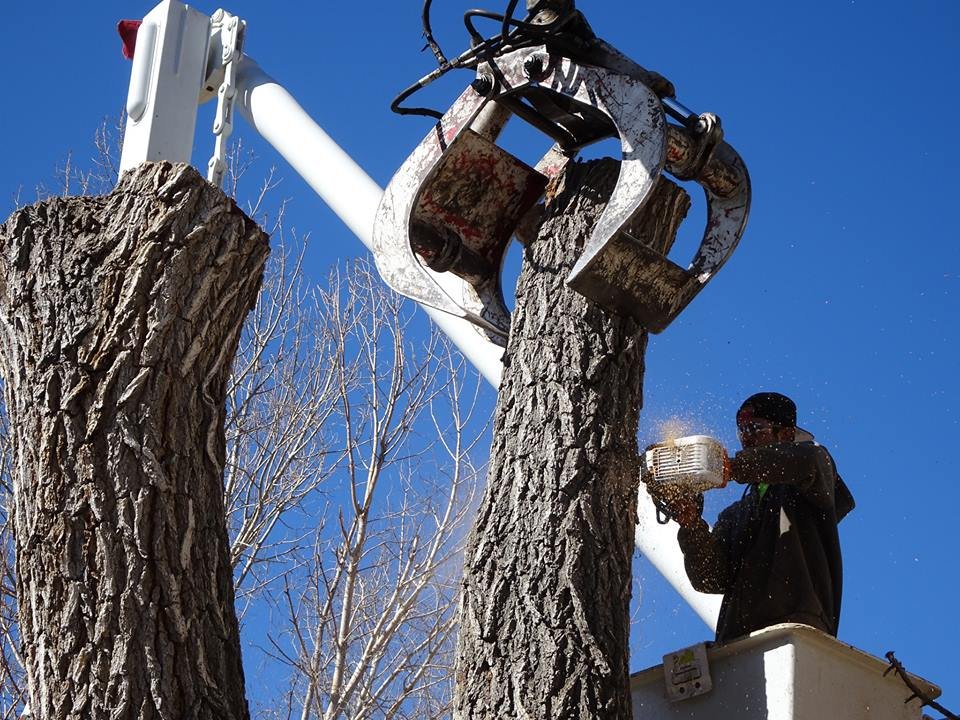
    Some large or hazardous removals require a crane. Matt’s Maintenance Tree Service owns its own crane for large, dangerous, and technical removals throughout Parker and Douglas County.

    Crane-assisted removal allows heavy branches and trunk sections to be lifted away from buildings, fences, driveways, and landscaping. It can also reduce lawn damage by limiting the need to drop large sections directly onto the property.

    Cleanup and Wood Removal

    Ask what the proposal includes before comparing prices. Chipping branches, hauling logs, cutting wood into firewood, and cleaning the work area may affect the final amount.

    Knowing whether debris removal is included also helps prevent surprises after the tree has been taken down.

    Is Stump Grinding Included?

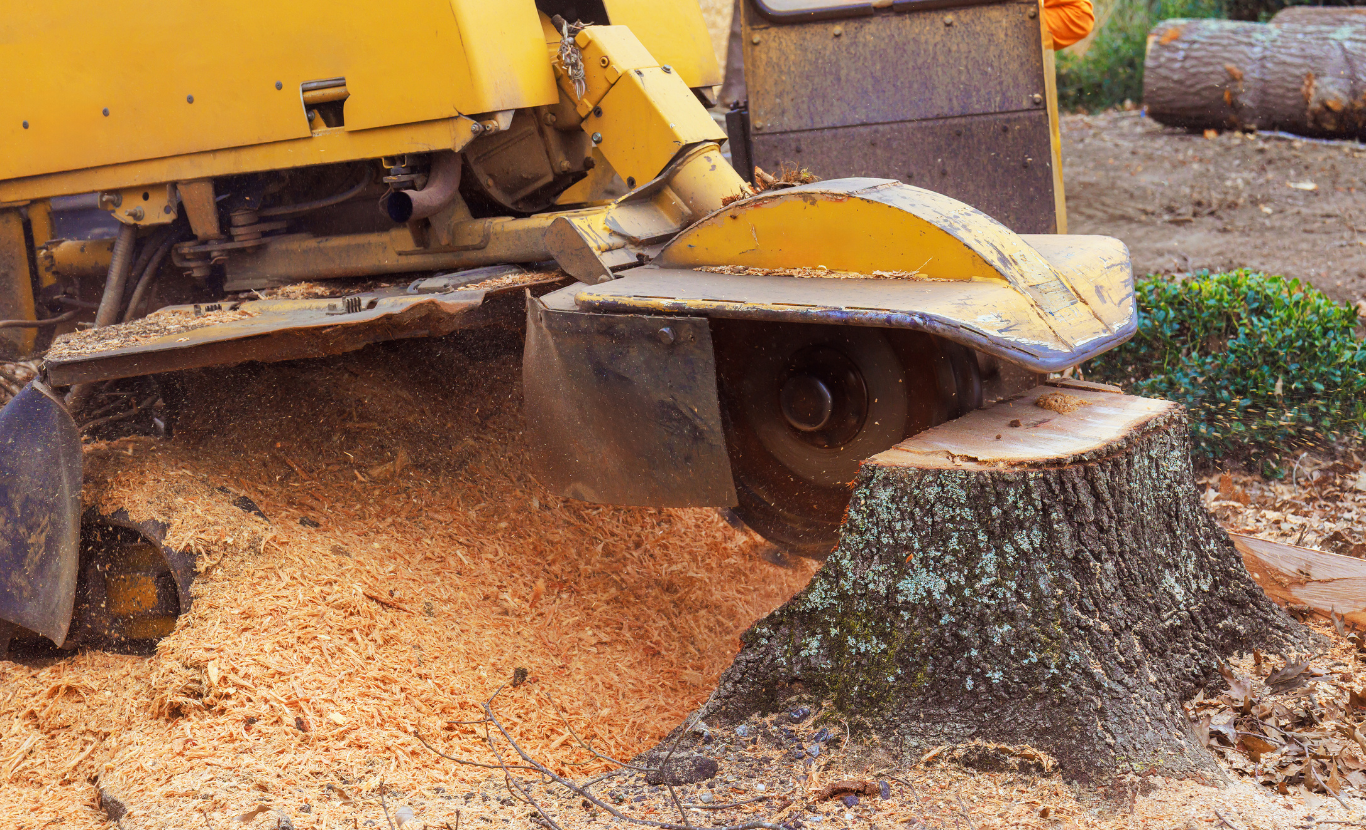
    Stump grinding is often priced separately from cutting down and removing the tree. Its cost depends on the stump’s diameter, location, equipment access, and whether visible roots also need grinding.

    Matt’s Maintenance Tree Service provides stump and root grinding in Parker and throughout Douglas County. The stump is ground below ground level, helping reduce trip hazards, simplify mowing, and prepare the area for sod, mulch, plants, or future landscaping.

    Why Can Two Tree Removal Quotes Be Different?

    Two trees of similar height can require completely different removal methods. One may be healthy and located in an open yard. The other may be decayed, leaning over a home, and accessible only through a narrow side yard.

    That is why answering how much does it cost to remove a tree from a photo alone can be difficult. A professional inspection should evaluate:

    • Tree height and trunk diameter
    • Tree health and structural stability
    • Nearby homes, utilities, and landscaping
    • Crew and equipment access
    • Rigging or crane requirements
    • Wood removal and cleanup
    • Stump and root grinding preferences

    Once these details are reviewed, the tree service can prepare a more accurate project plan and price.

    Frequently Asked Questions

    How much does it cost to remove a small tree?

    A tree under 30 feet may cost approximately $150 to $450 based on current industry estimates. Access, trunk size, tree condition, and cleanup requirements can move the final price outside that range.

    How much does it cost to remove a tree near a house?

    A tree close to a house may cost more because branches and trunk sections must be carefully controlled. Additional labor, rigging, or crane work may be needed to protect the roof, siding, windows, landscaping, and other nearby property.

    Does tree removal include the stump?

    Not always. Tree removal commonly refers to cutting down the tree and handling its branches and trunk. Confirm whether stump grinding, root grinding, wood hauling, and final cleanup are included in the proposal.

    Can a tree be trimmed instead of removed?

    Sometimes. Trimming or pruning may address dead branches, clearance problems, or structural concerns when the tree can still be safely retained. Trees that are dead, severely damaged, unstable, or creating an unacceptable safety risk may require complete removal.

    Get a Tree Removal Quote in Parker, CO

    So, how much does it cost to remove a tree on your property? The final amount depends on its size, health, location, access, surrounding hazards, equipment requirements, and the additional services you choose.

    Matt’s Maintenance Tree Service has served Colorado customers for 29 years and provides licensed and insured tree removal in Parker and Douglas County. With experienced crews, professional equipment, and an in-house crane, the team can plan both straightforward and complex removals with safety and property protection in mind.

    Contact Matt’s Maintenance Tree Service to schedule a property inspection and receive a project-specific tree removal quote.

  • What to Do If a Tree Falls on Your Property

    What to Do If a Tree Falls on Your Property

    When a tree falls on your property, it can be stressful, disruptive, and sometimes dangerous. Whether it lands in the yard, across a driveway, onto a fence, or near your home, the first steps you take matter. Fallen trees can involve hidden hazards, unstable limbs, damaged structures, and utility risks that are not always obvious at first glance. That is why knowing when to call for emergency tree removal can help protect your property and keep everyone safe.

    For homeowners in Parker, Douglas County, and surrounding Colorado communities, fallen trees are often linked to wind, heavy snow, saturated soil, age, disease, or structural weakness. Some situations are minor, but others require immediate attention from a professional tree service team like Matt’s Maintenance Tree Service.

    Start With Safety First

    Before getting close to the fallen tree, stop and assess the area from a safe distance. Do not walk under hanging branches, stand near a leaning trunk, or attempt to move large limbs on your own. A fallen tree may look stable, but branches can shift, roll, or snap without warning.

    Keep children, pets, neighbors, and vehicles away from the affected area. If the tree is blocking an entry point, driveway, or walkway, avoid forcing your way around it until you know the area is safe. If the tree has fallen onto your home, garage, shed, or another structure, leave the area and contact the appropriate professionals. In many cases, emergency tree removal from an experienced local company like Matt’s Maintenance Tree Service is the safest next step.

    Check for Power Lines and Utility Hazards

    One of the most important things to look for is whether the tree is touching or near power lines. If there are downed lines, sparking, buzzing sounds, or any sign of electrical danger, stay far away and call your utility company or emergency services immediately.

    Never touch a tree, branch, fence, vehicle, or standing water that could be in contact with a live wire. Even if the power appears to be out, the line may still be energized. Professional crews understand how to approach hazardous situations safely, but utility-related dangers must be addressed first. Once the area is cleared for tree work, a qualified company can handle the emergency tree removal process.

    Document the Damage

    If it is safe to do so, take photos and videos of the fallen tree and any damage it caused. Capture wide shots of the area as well as closer images of damaged fences, roofs, gutters, landscaping, vehicles, or outdoor structures. This can be helpful if you need to contact your insurance company.

    Do not move major debris before documenting the situation unless it is necessary for safety. Insurance providers may ask for proof of damage, and clear photos can help explain what happened. After documenting the scene, call a professional tree service to evaluate whether emergency tree removal is needed.

    Know Who to Call

    Depending on the situation, you may need to contact more than one professional. If the tree has created an immediate safety issue, call emergency services. If power lines are involved, call the utility company. If your home or another insured structure is damaged, contact your insurance provider.

    For the tree itself, call a local tree service company with experience in hazardous tree work. Matt’s Maintenance Tree Service provides professional tree removal, trimming, pruning, stump grinding, and crane-assisted removal services for homeowners throughout Parker, Douglas County, and nearby areas. Having the right equipment matters, especially when the tree is large, heavy, unstable, or difficult to access. In those cases, emergency tree removal should be handled by trained professionals, not by a homeowner with a chainsaw.

    Do Not Cut or Move the Tree Yourself

    It can be tempting to start cutting branches right away, especially if the tree is blocking a driveway or damaging part of the property. However, fallen trees can be under extreme tension. A branch may be bent, pinned, twisted, or carrying more weight than it appears. One wrong cut can cause the tree to roll, shift, or spring back.

    DIY removal can also lead to injuries, property damage, or a more complicated cleanup. Professional tree crews know how to read the pressure points in a fallen tree and remove sections in a controlled order. That is one of the biggest reasons emergency tree removal is not just about speed. It is about safety, strategy, and preventing additional damage.

    Why Professional Removal Matters

    Professional tree removal teams bring the experience, equipment, and planning needed to handle fallen trees safely. They can assess the tree’s position, determine whether the trunk or limbs are unstable, protect nearby structures, and remove debris efficiently.

    For large or complex removals, equipment like rigging systems, lifts, loaders, or cranes may be needed. This is especially important when a tree is resting on a structure, trapped between other trees, or located in a tight space. Matt’s Maintenance Tree Service has experience handling challenging tree removal situations where careful planning and the right equipment make a major difference. Professional emergency tree removal helps reduce risk and gives homeowners a clear path forward after an unexpected event.

    A qualified crew can also identify whether nearby trees were weakened by the same storm or condition. If one tree fell because of root problems, disease, or soil movement, other trees on the property may need inspection as well.

    Getting Your Property Back to Safe and Clear

    After the immediate hazard is removed, you may still need cleanup, stump grinding, pruning, or additional tree care. A fallen tree can leave behind torn branches, exposed roots, wood debris, and damaged landscaping. Addressing these issues helps restore access, improve safety, and reduce future problems.

    If a tree falls on your property, do not panic and do not try to handle a dangerous situation alone. Keep people away, check for utility hazards, document the damage, and call experienced professionals. Matt’s Maintenance Tree Service can help homeowners take the right next step with safe, reliable emergency tree removal when it matters most.