
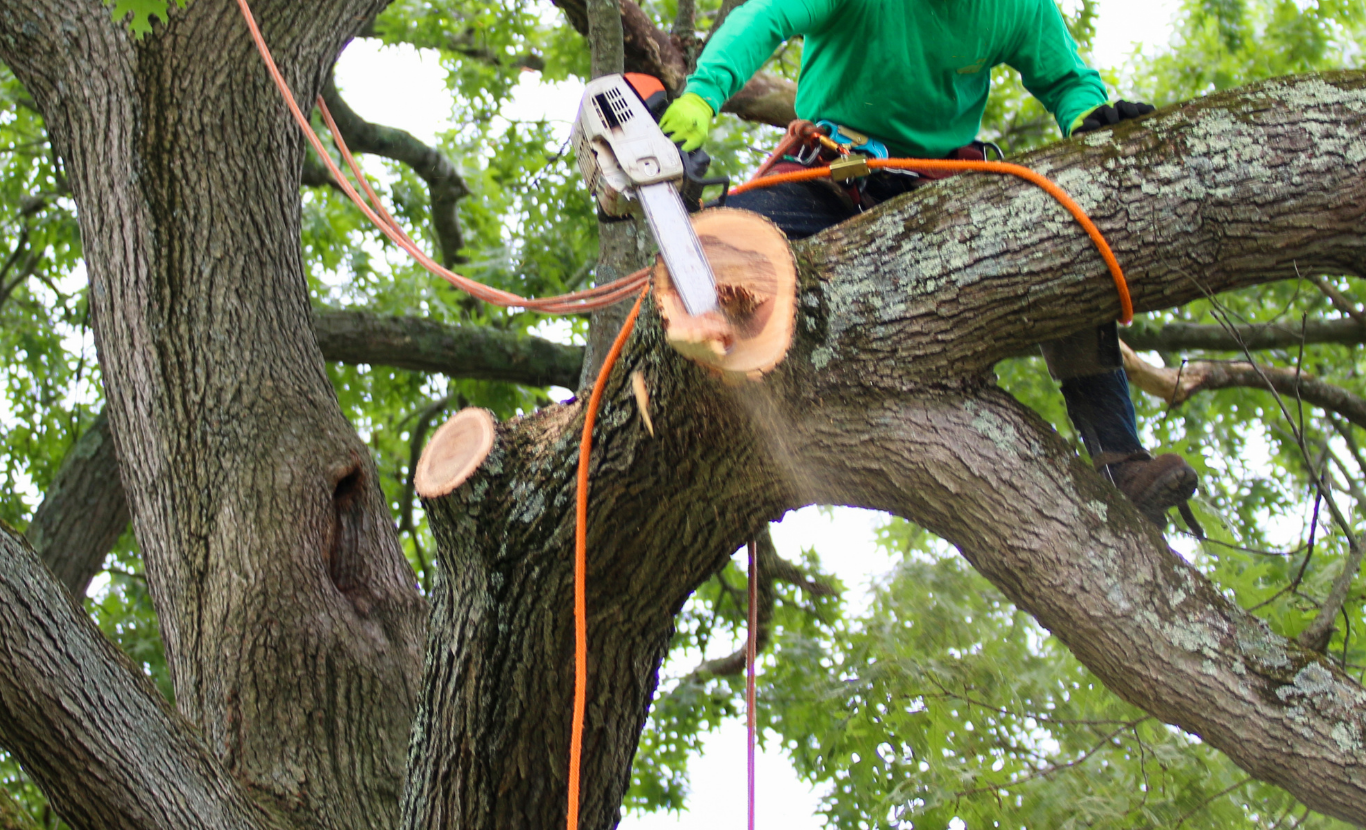
Home insurance may cover tree removal when a tree falls because of a covered event, such as wind, hail, lightning, or fire, and damages an insured structure. Coverage is less likely when the tree falls harmlessly in the yard, requires preventive removal, or was neglected before it fell.
When severe Colorado weather brings down a tree, cleanup can quickly become urgent and expensive. Many property owners immediately ask, does home insurance cover tree removal, but the answer depends on why the tree fell, what it damaged, and the specific terms of the homeowner’s policy.
When Does Home Insurance Cover Tree Removal?
Homeowners insurance commonly helps when a tree falls because of a covered peril and damages covered property. Depending on the policy, covered structures may include the home, a detached garage, shed, deck, or fence.
In an approved claim, insurance may help pay to remove the tree from the damaged structure so repairs can begin. The policy may also provide limited coverage for hauling away branches, logs, and other tree debris.
Common potentially covered causes include:
- Strong winds or severe storms
- Lightning
- Hail
- Fire
- Vandalism
- Another tree falling into the tree
Insurance companies including Progressive and GEICO explain that tree removal may be covered when a covered event causes the tree to damage a home or another insured structure. Coverage remains subject to the policy’s exclusions, limits, and deductible.
Tree Removal Coverage at a Glance
| Situation | Is Removal Potentially Covered? |
|---|---|
| A storm knocks a tree onto the house | Often |
| A tree damages a garage, shed, deck, or fence | Often |
| A fallen tree blocks the home’s driveway | Sometimes |
| A tree blocks an accessibility ramp | Sometimes |
| A tree falls in the yard without causing damage | Usually not |
| A healthy tree needs preventive removal | Usually not |
| A dead or decaying tree needs removal | Usually not |
| A fallen tree damages a vehicle | Not through home insurance |
This table provides general guidance only. The insurance provider must determine whether a specific loss qualifies under the policy.
When Is Tree Removal Usually Not Covered?
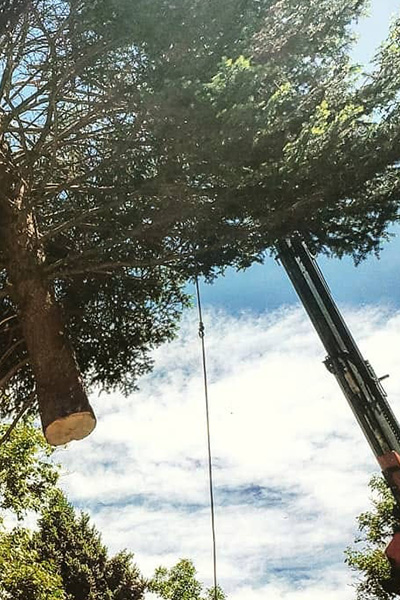
The answer to does home insurance cover tree removal is generally no when the work is considered normal property maintenance rather than the result of a sudden covered loss.
Insurance typically does not pay to remove:
- A healthy tree before it causes damage
- A leaning tree that has not fallen
- A dead, diseased, or decaying tree
- A tree that falls into an open yard without damaging property
- Limbs removed through ordinary trimming or pruning
Preventive tree removal is usually the homeowner’s responsibility. Insurers may also deny a claim if they determine that known decay, rot, or poor maintenance contributed to the damage.
Addressing visible tree problems before the next storm can help protect the home and reduce the chance of a more dangerous removal later.
What If the Tree Does Not Hit a Structure?
When a tree lands in the yard without damaging anything, the homeowner will usually need to pay for removal. However, there can be exceptions.
Some policies may provide limited coverage if a fallen tree blocks the driveway to the home or obstructs an accessibility ramp. These exceptions vary between insurance companies and policies, so homeowners should speak with their provider before assuming cleanup will be reimbursed.
If the tree presents an immediate safety risk, take reasonable steps to protect people and prevent additional damage. Document the tree and surrounding property before cleanup begins whenever it is safe to do so.
Does Insurance Cover a Neighbor’s Fallen Tree?
Tree ownership does not automatically determine which insurance company handles the loss. If a neighbor’s tree falls onto your house during a windstorm, your homeowners policy may cover the damage and removal, subject to your deductible and policy terms.
Responsibility may change if the neighbor knew that the tree was dead, unstable, or hazardous but failed to address it. Evidence such as photographs, written notices, or a professional tree assessment may become important when negligence is suspected.
If a neighbor’s tree lands in your yard without damaging covered property, you may still be responsible for removing the portion that landed on your property.
What If a Tree Falls on a Car?
Homeowners insurance generally does not cover damage to a vehicle caused by a falling tree or branch. Comprehensive auto insurance may cover this type of damage, minus the auto policy deductible.
A homeowner may need to file two separate claims if the same tree damages both the house and a vehicle. The structural damage would generally be handled through home insurance, while vehicle damage would be handled through auto insurance.
How Much Will Insurance Pay?
Even when the answer to does home insurance cover tree removal is yes, the policy may place a limit on tree and debris removal.
GEICO reports that many policies use limits such as $500 per tree and $1,000 per incident. Progressive also notes that tree removal coverage is commonly limited to approximately $500 to $1,000, depending on the policy and insurer. Actual amounts can be higher or lower.
The deductible also affects whether filing a claim makes financial sense. Homeowners should compare the total estimated loss with their deductible and confirm how tree removal limits apply.
What Should You Do After a Tree Falls?
Stay away from unstable branches, damaged roofs, partially uprooted trees, and downed power lines. Contact emergency services or the utility company when necessary.
Once the area is safe:
- Take photos and videos from several angles.
- Record when the tree fell and what caused it.
- Contact the insurance company promptly.
- Ask whether an adjuster must inspect the site.
- Obtain a professional tree removal estimate.
- Keep all invoices, receipts, and repair records.
Insurance claim guidance recommends documenting damage before cleanup, preventing further loss when possible, contacting the insurer, and retaining records for the claims adjuster.
Frequently Asked Questions
Does home insurance cover tree removal after a storm?
It may when a covered storm causes the tree to damage the house or another insured structure. Coverage is more limited when the tree falls without damaging anything.
Does home insurance cover tree removal before it falls?
Usually not. Removing a leaning, dead, or potentially dangerous tree is generally considered preventive maintenance.
Is stump grinding covered by insurance?
Not automatically. Stump grinding may be excluded or treated as an additional service unless it is necessary to complete an approved covered loss. Ask the insurance adjuster before scheduling the work.
Should I call my insurer or a tree service first?
For nonemergency work, contact the insurer first and ask about inspection and documentation requirements. When the tree creates an immediate hazard, contact a qualified tree service while preserving photos, receipts, and other claim evidence.
Professional Tree Removal in Parker, Colorado
Does home insurance cover tree removal? Understanding the contributing factors of what qualifies as a home insurance claim can help you prepare after a storm or incident, but only the insurance company can confirm coverage under a specific policy.
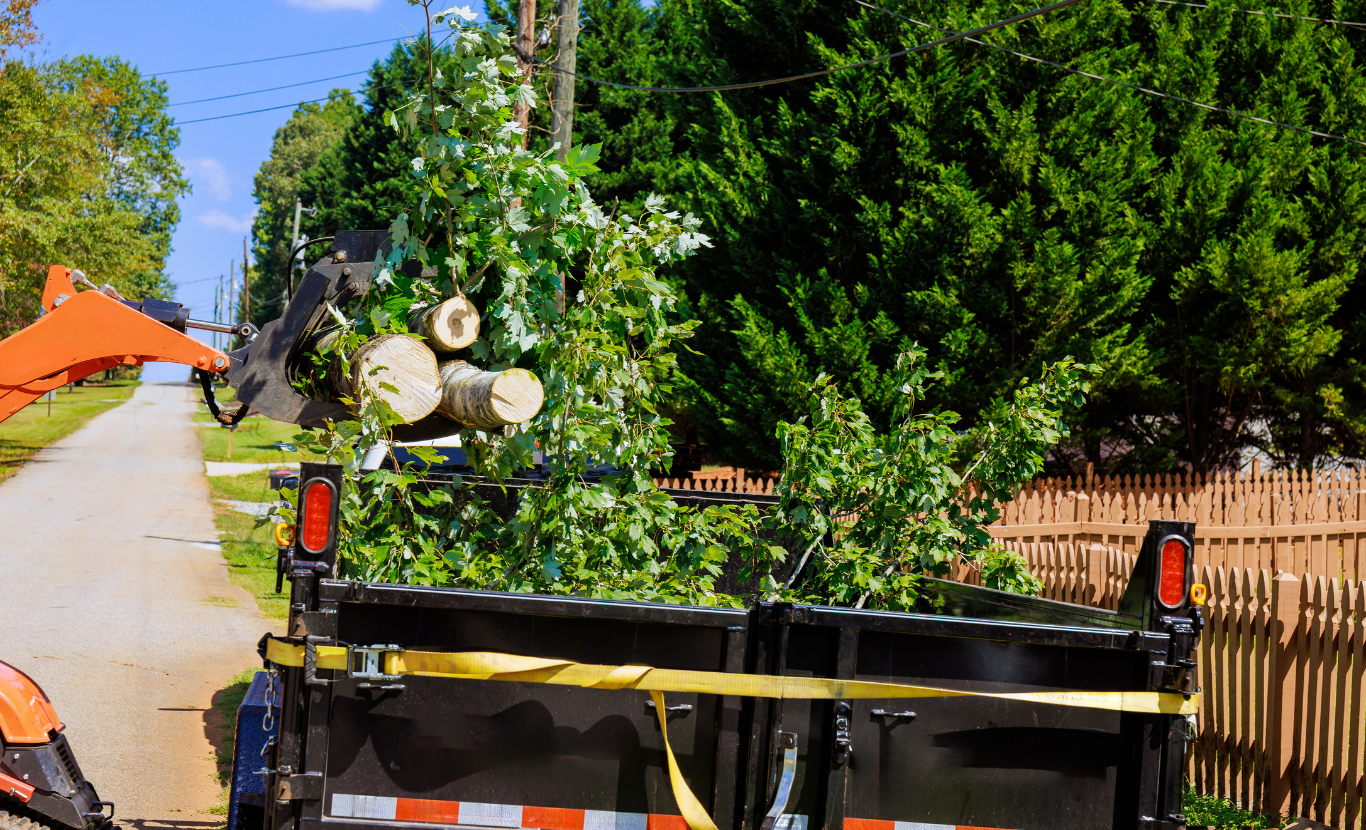
Matt’s Maintenance Tree Service provides tree removal, trimming, pruning, stump and root grinding, and crane work for properties in Parker and Douglas County, Colorado. With 29 years in business, experienced crews, and reliable equipment, the company can evaluate the tree, nearby structures, access limitations, and equipment requirements before developing a safe removal plan.
Contact Matt’s Maintenance Tree Service for a project-specific quote, and speak with your insurance representative about claim requirements, deductibles, and coverage before work begins whenever circumstances allow.